Knowledge Hub
Homeowner Answers Library
Your guide to understanding electrical work, backup power, and home projects.
Need Expert Help?
Browse our services or contact us for personalized assistance.
Resources
Explore homeowner answers
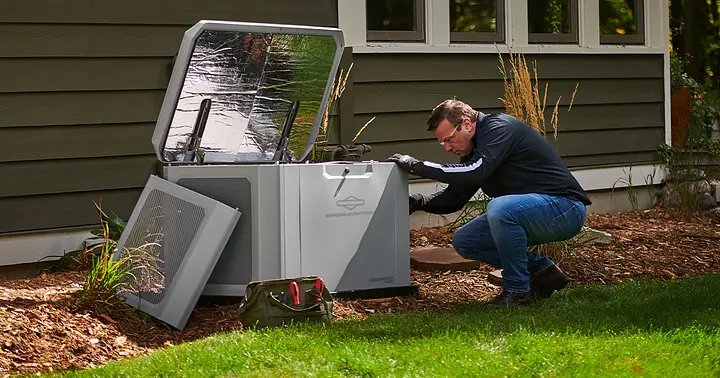
Plan backup power around electrical loads, starting demand, fuel delivery, runtime, and site conditions.
Whole-Home Generator Sizing in South Louisiana
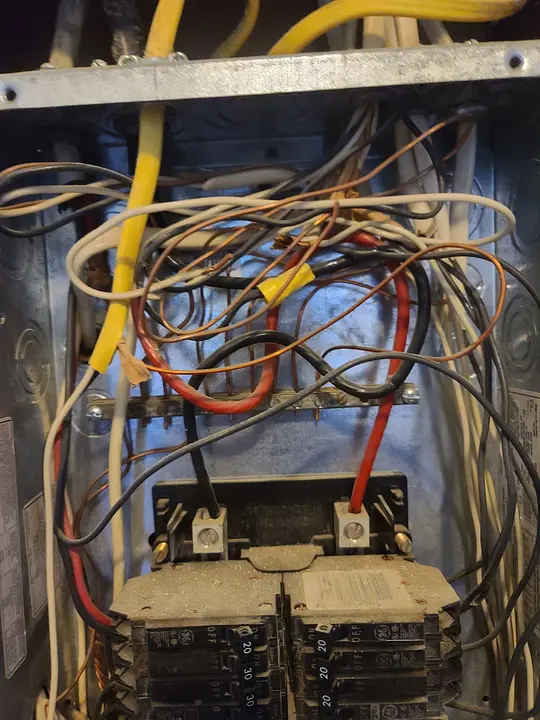
Learn what warning signs can point to electrical equipment or wiring that needs professional attention.
Electrical Panel Warning Signs

Plan electrical choices, lighting, and practical project questions before a remodel begins.
Kitchen Remodel Electrical Planning
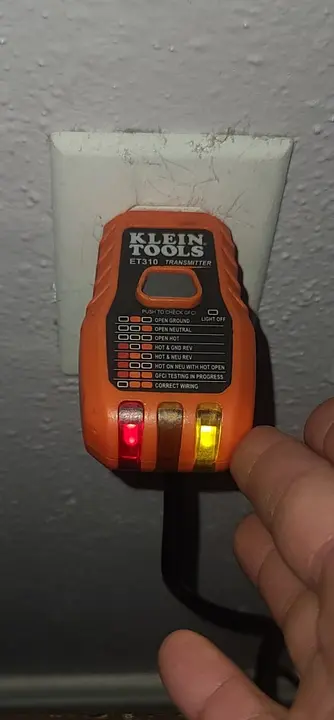
Both wires end up at the same place — so what's the difference?
The dangers of mixing grounds and neutrals
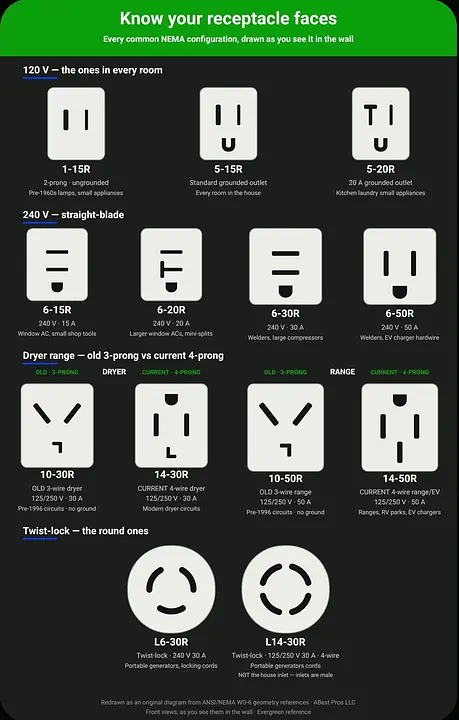
These are not just funny faces or aesthetics on your wall. Learn the real meaning behind the different types of receptacles.
Why are my plugs shaped differently?
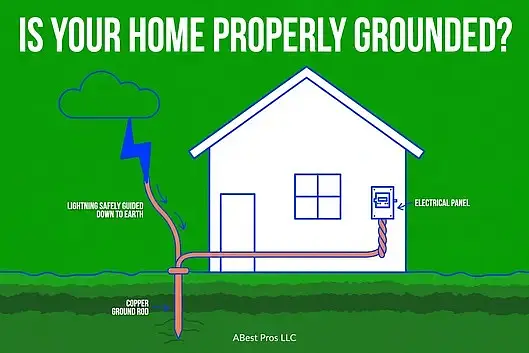
The 8 ft rod driven straight down and tied to your panel or meter with a bare copper wire is more important than you think.
The importance of grounding your home
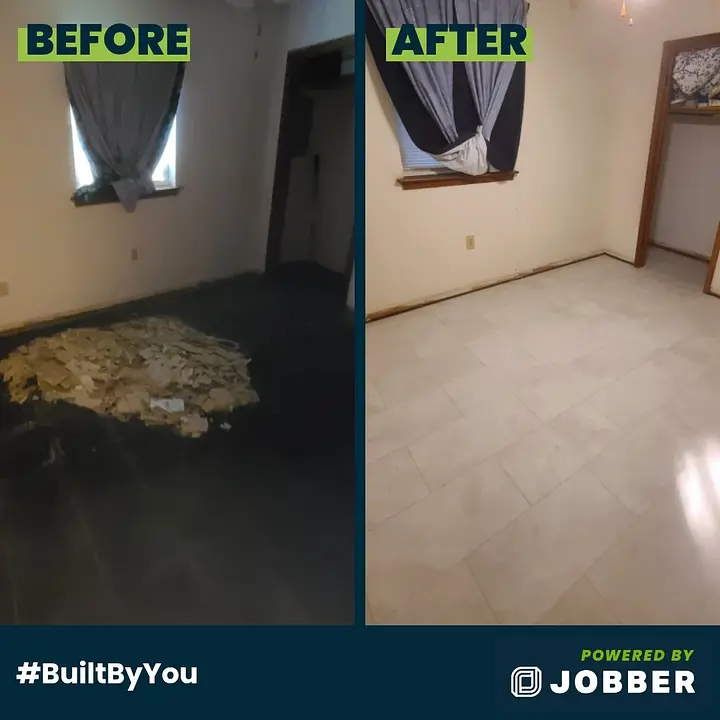
Learn about what makes a flooring installation last for many years.
New floors that last
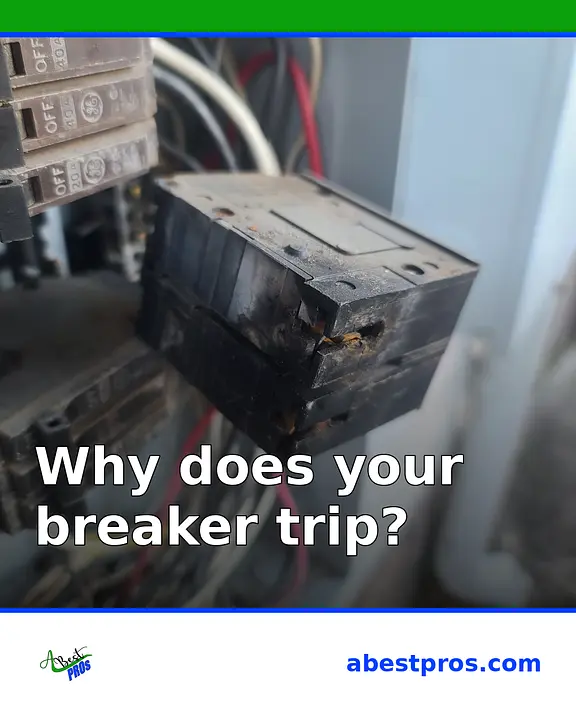
Is It the Breaker, a Bad Device, or the Wiring
Why Does My Breaker Keep Tripping?
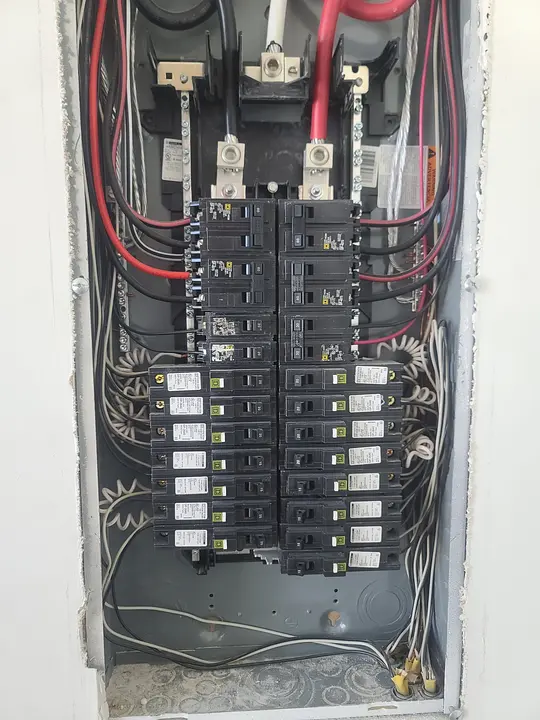
Learn the different uses, required locations for these specialty devices, why you need them, and what the "code" actually says.
GFCI, AFCI & Surge Protection
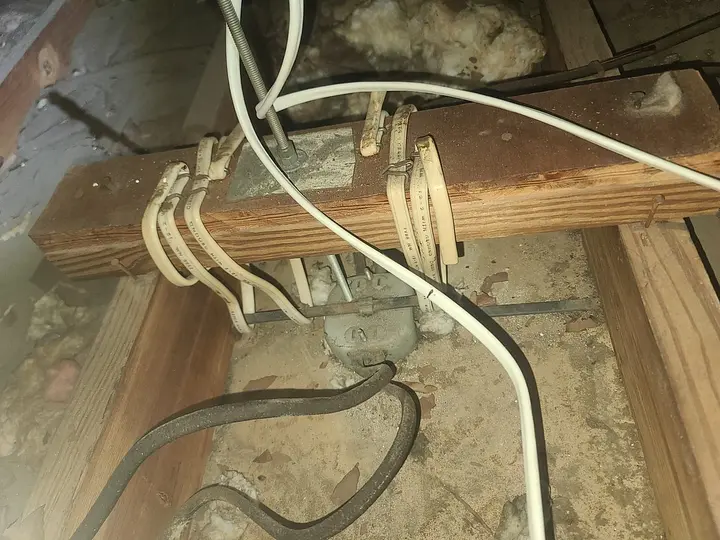
Find out what could be hiding in your walls and how safe it is...
Old house-Old wires
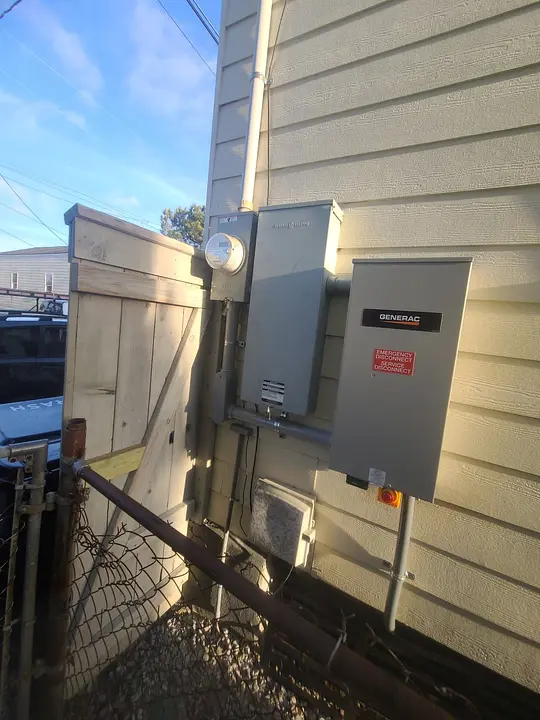
CO dangers, the 20-foot rule, and when a standby generator makes sense for New Orleans homes.
Portable Generator Safety in New Orleans
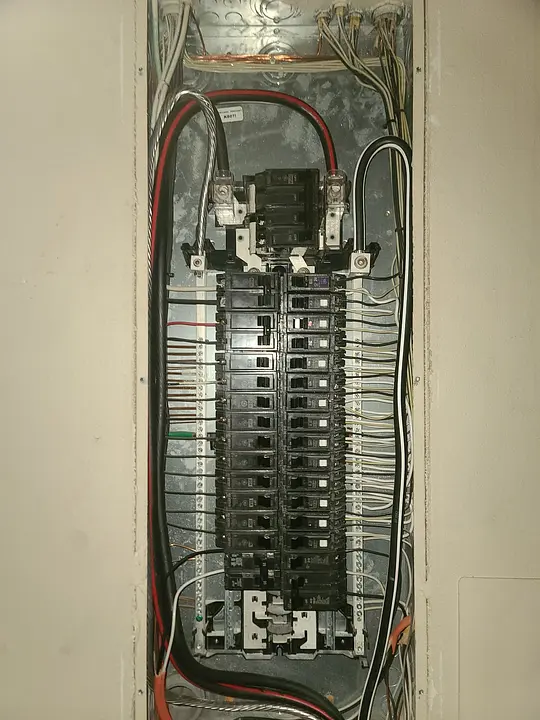
Why breaker size and wire size must match — and what happens when they don’t.
Breaker Size vs. Wire Size
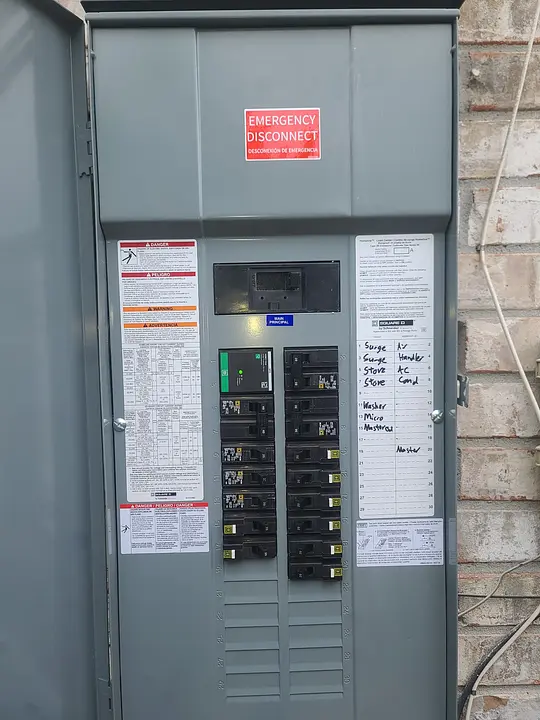
Learn which parts of your home actually need surge protection, and which don’t.
Where Is Surge Protection Actually Needed?
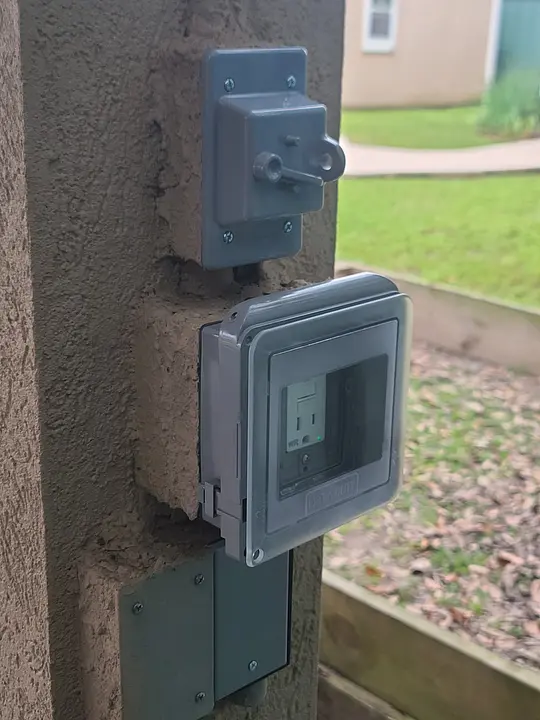
How to test and reset your GFCI protection, and why it keeps you safe.
GFCI Test & Reset Protection
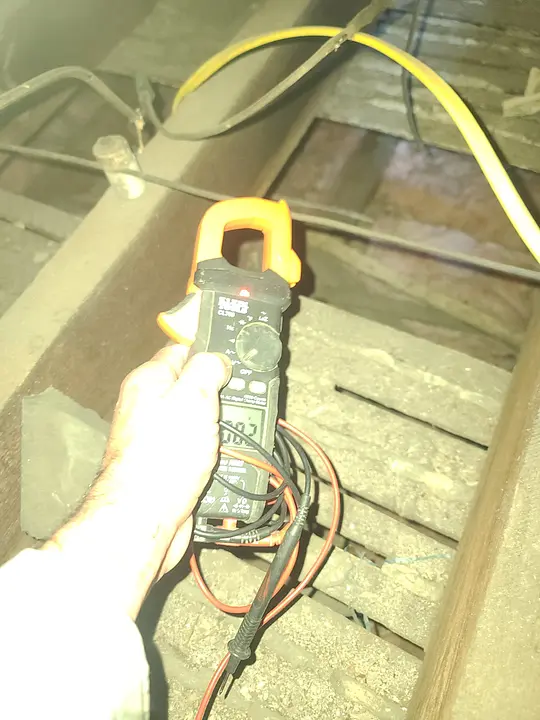
Identify which wire belongs where in your home — and whether it can handle Louisiana conditions.
Which Wire Goes Where in Louisiana Homes
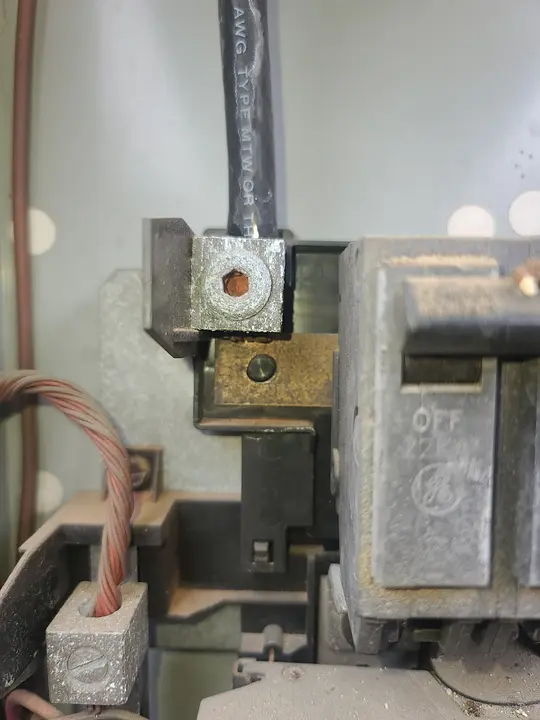
Aluminum wiring repair, remediation, or full rewire — what New Orleans homeowners need to know.
Aluminum Wiring: Repair, Remediate, or Rewire
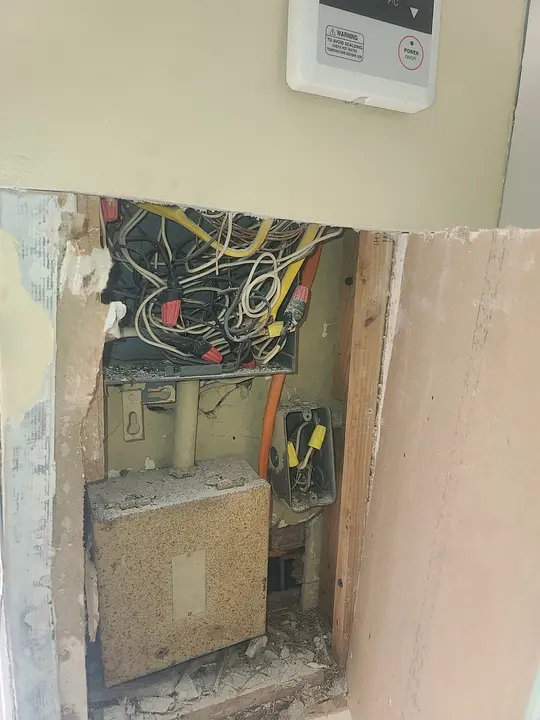
What a whole-home rewire actually involves, from planning to final inspection.
What a Rewire Actually Involves
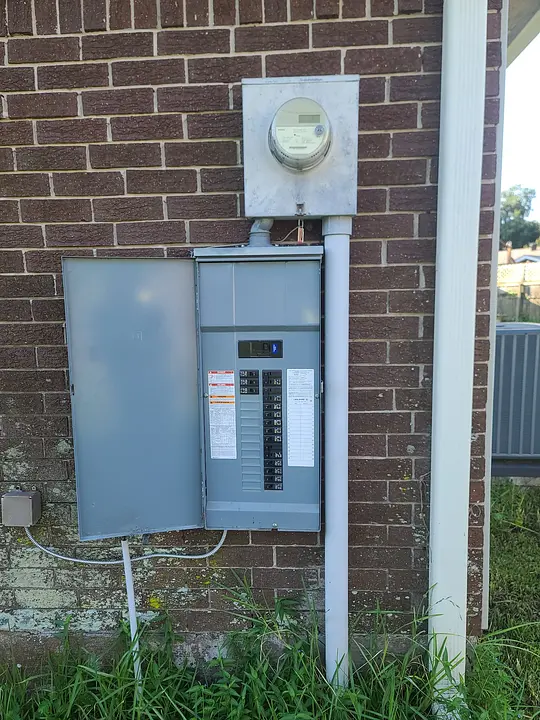
How to tell what size electrical service your home has — and whether it's enough.
What Size Electrical Service Do I Have?
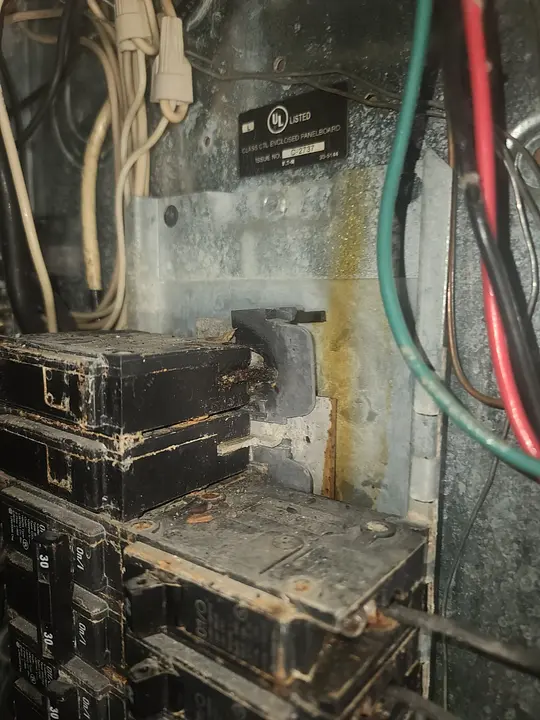
Why your lights flicker or half your house loses power — and what to do about it.
Why Are My Lights Flickering — or Half My House Without Power?
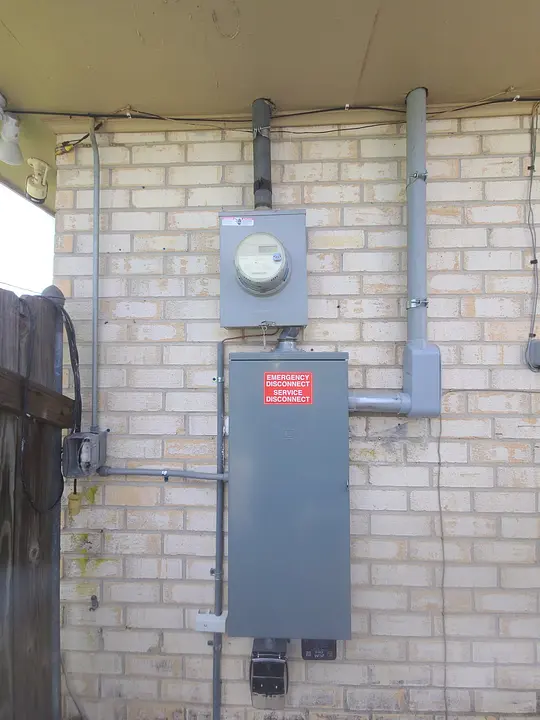
How your power gets from the street to your home — overhead or underground — and why a raised house puts the panel up high.
Overhead vs. Underground Power on Raised Louisiana Homes
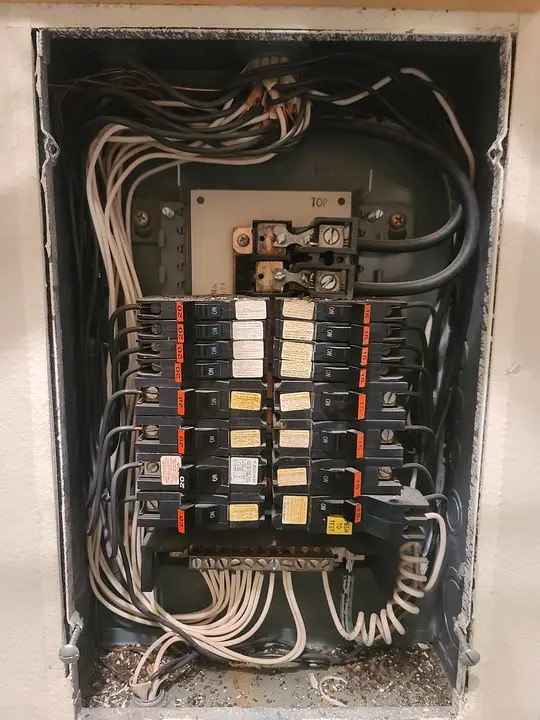
Are the Federal Pacific Stab-Lok and Zinsco panels in older homes safe? A look at the documented record.
Are Federal Pacific and Zinsco Panels Safe?
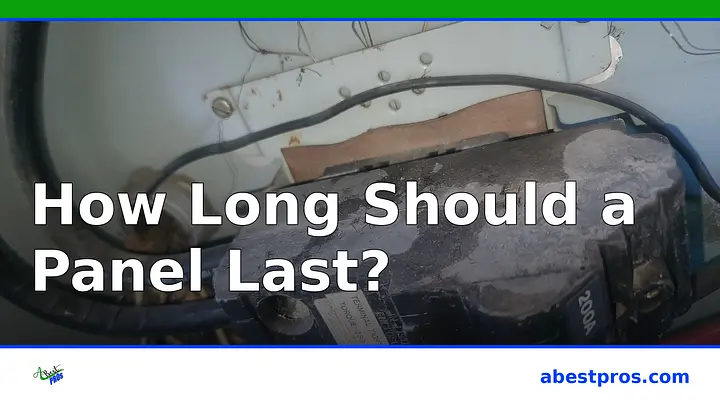
A well maintained, properly installed panel should last at least 30 years. A look at what actually decides when a panel is done.
How Long Do Electrical Panels Last
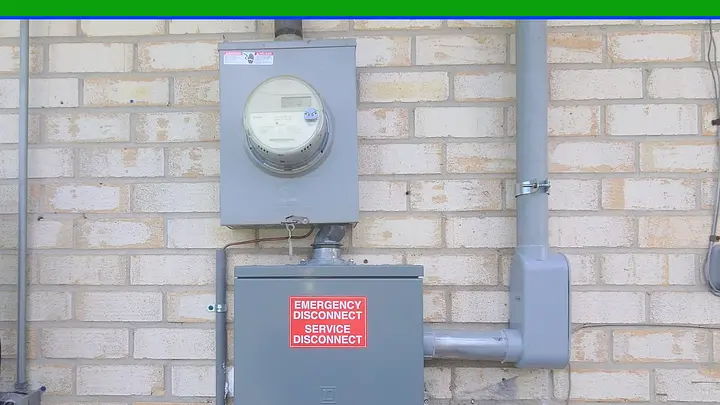
What a 200-to-400-amp service upgrade involves, and how to tell whether a larger service is needed.
What Does a 200-to-400-Amp Service Upgrade Involve?
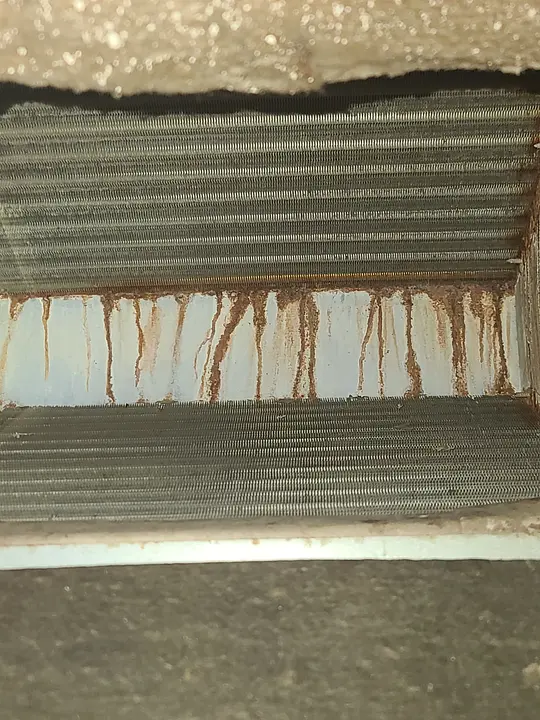
Cool air is not always dry air
Why Is My House So Humid?
Resources
More homeowner answers
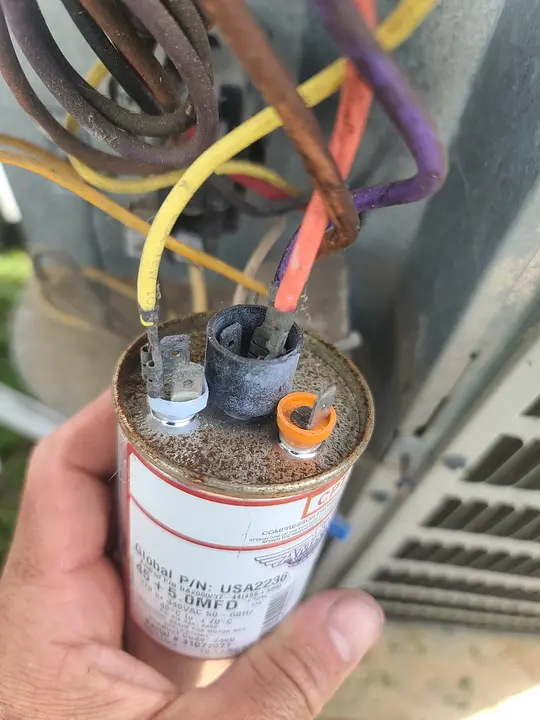
A heartbeat-long dip is one thing. A hum that never starts is another.
Why Does My AC Struggle to Start
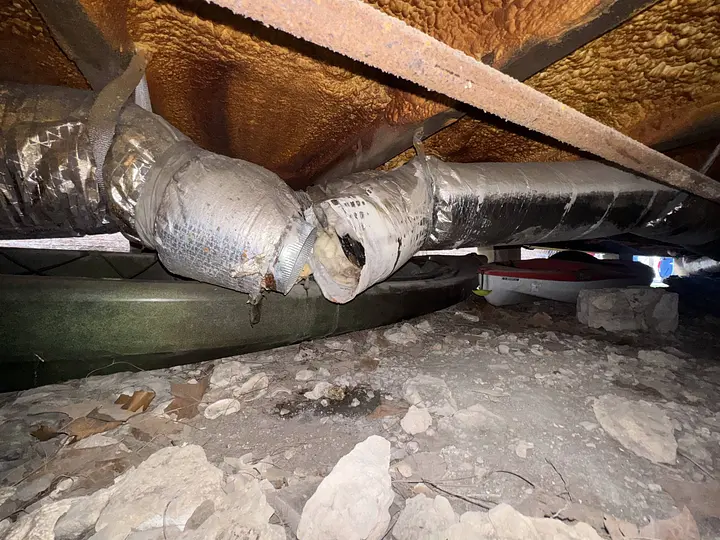
What is actually wrong under a raised Louisiana home, run by run — and what the fix is.
Ductwork Under a Raised Louisiana Home
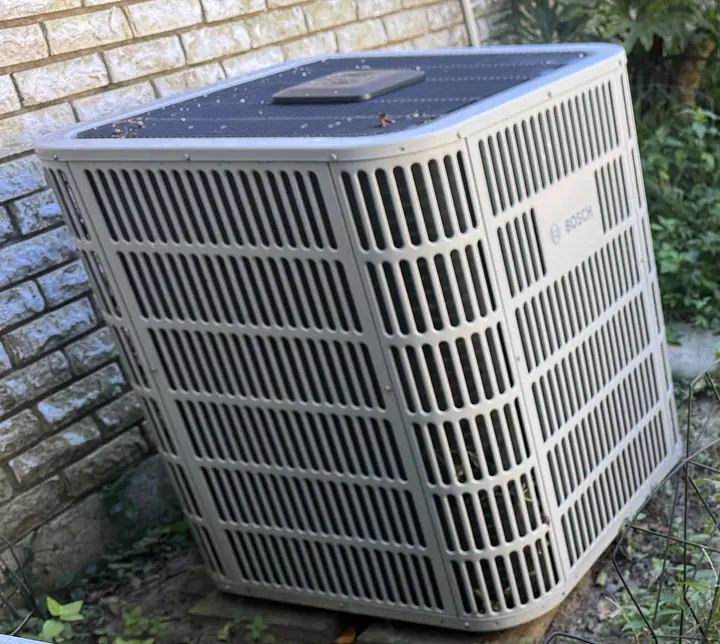
What Size Air Conditioner Does My House Need
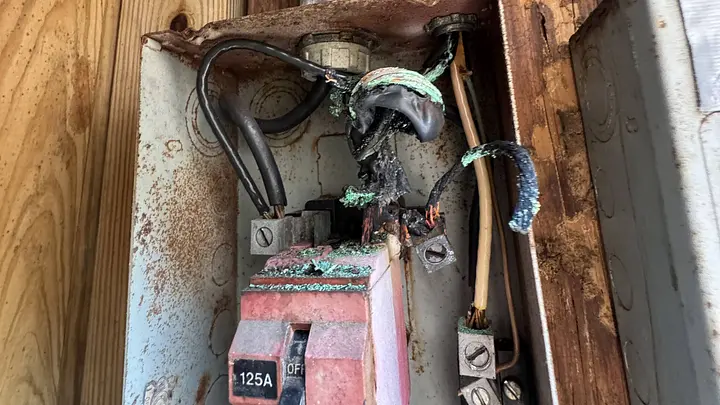
The scariest finds in a house do not announce themselves.
Scary Finds Technicians Pull Out of Home Systems
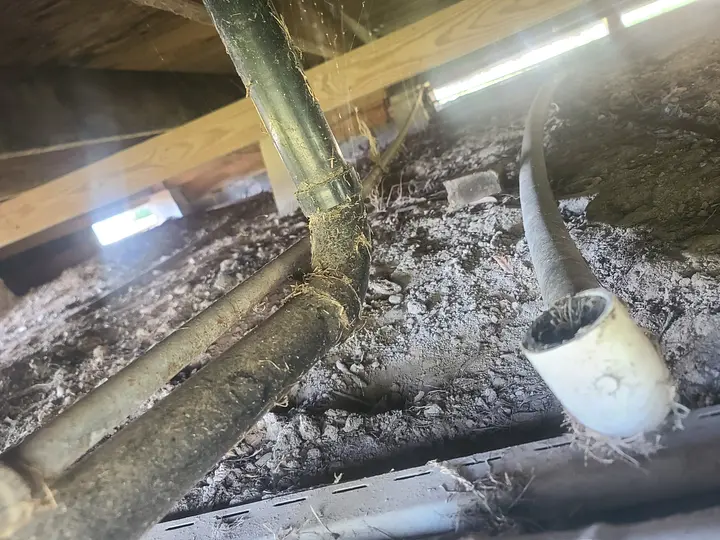
Stand under a raised house on the Westbank and the plumbing stops looking like one system.
How Does My Home's Plumbing Actually Work?
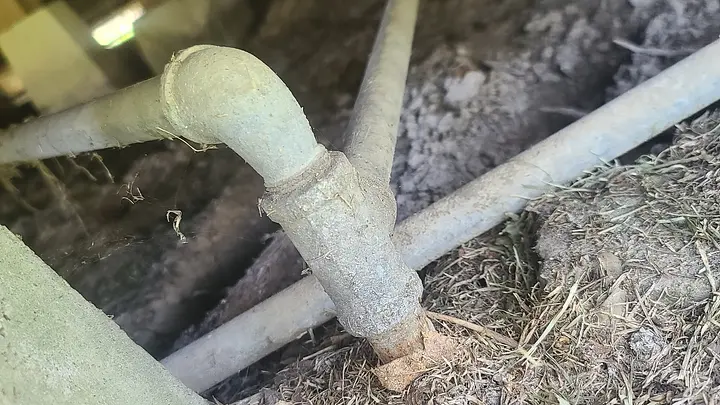
Which fixtures are affected, hot or cold, and whether the trouble is at one fixture or the whole house.
Why Is My Water Pressure Low?
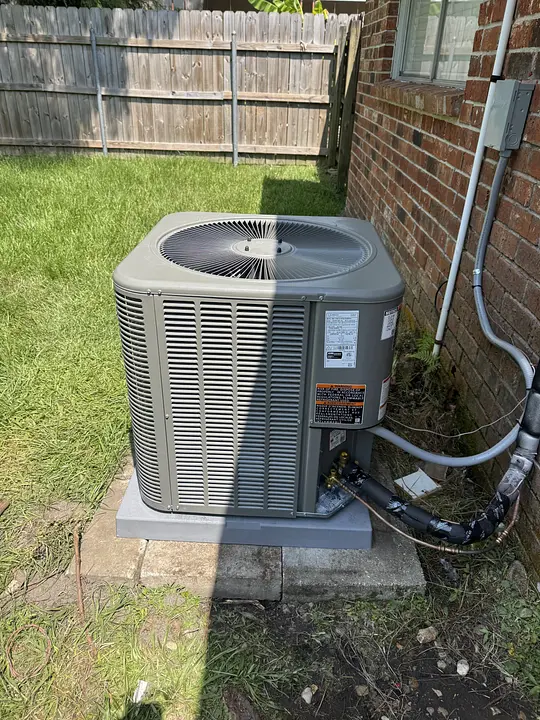
The call starts with a pattern, not a single event.
Should I Repair or Replace My Air Conditioner?
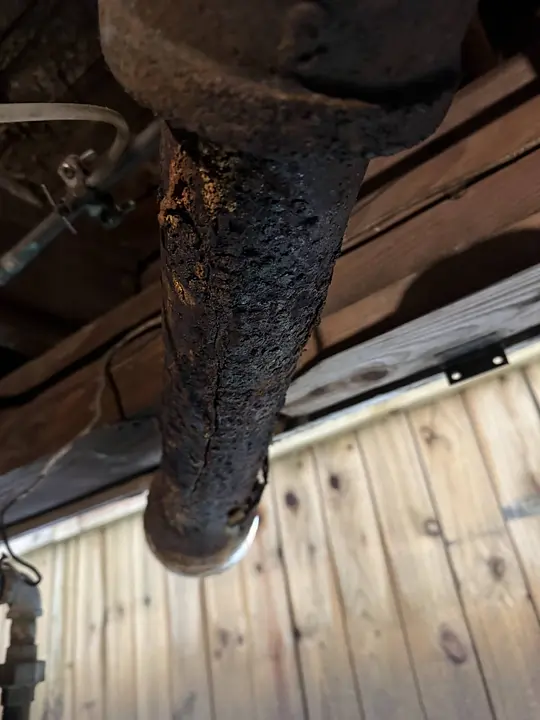
A camera in an old sewer line can show a run of separate defects — cracks, separated joints, roots, scale, and low spots holding water — rather than a single clean break.
What Does a Camera See in My Old Sewer Lines?
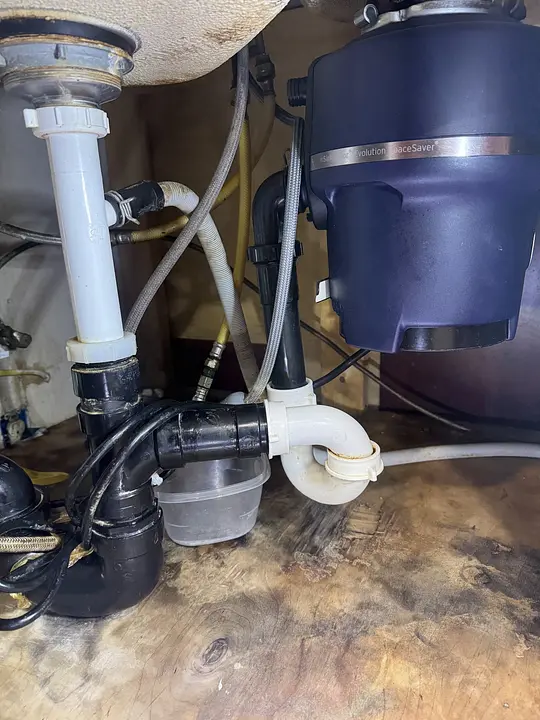
In a raised Louisiana house, the pipe poking through the roof is part of the drain-waste-vent system, not a flue for anything the house burns.
What Does a Plumbing Vent Pipe Do?
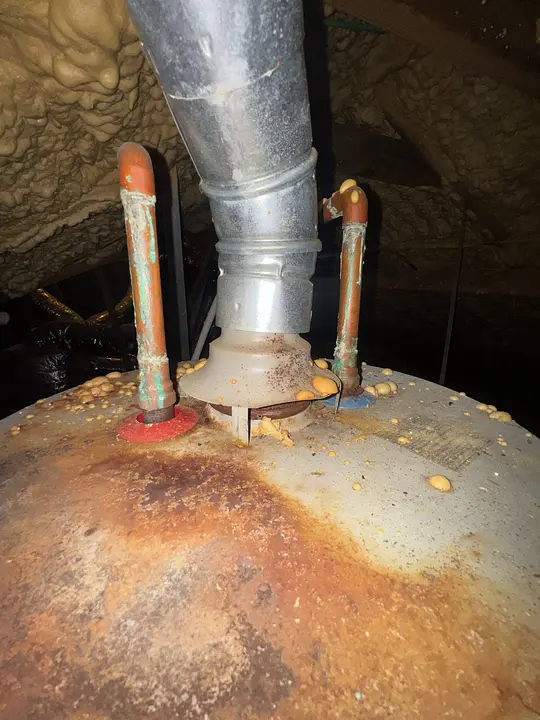
A confirmed leak from the tank body means replacement, full stop.
How Do I Know If My Water Heater Is Failing?
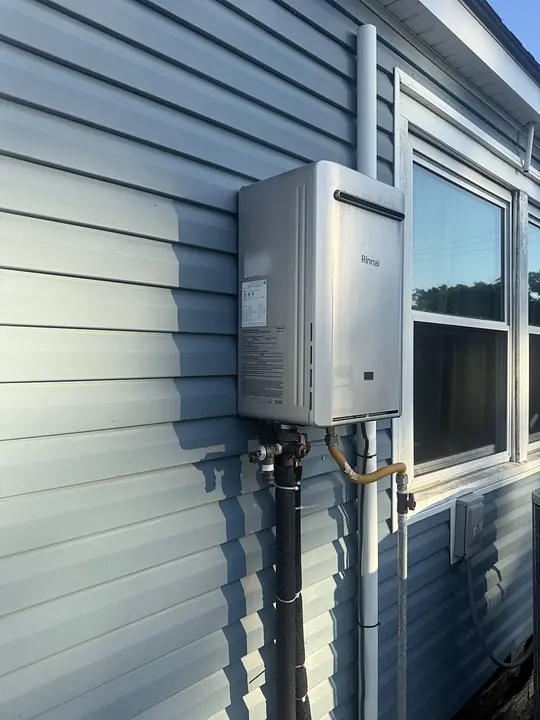
There are four paths, and each one carries a different supply job.
How Do You Switch From a Tank to a Tankless Water Heater?
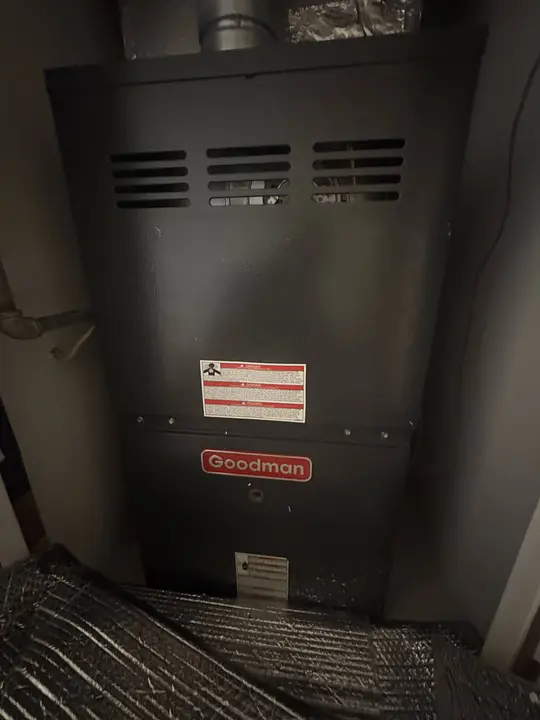
Walk into a Louisiana closet in January and the heater gives itself away: a vent pipe (metal on an older unit, white plastic on a high-efficiency one) plus a gas line means a furnace.
What kind of heater do I have?
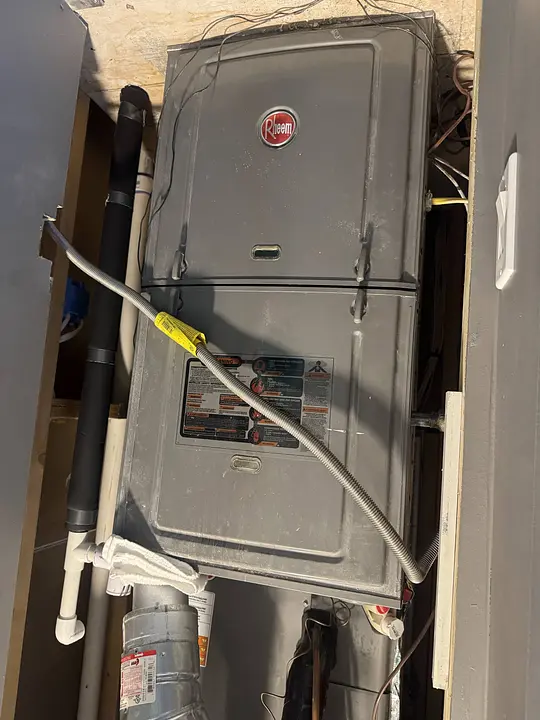
Start with the thermostat, power, and an accessible air filter.
Why is my heater not working?
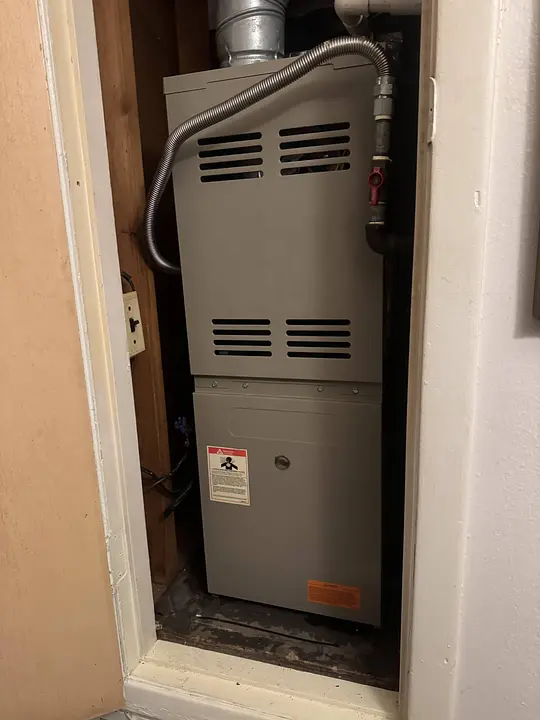
This guide covers central ducted gas furnaces, electric furnaces, and heat pumps — the three heater types common in Greater New Orleans homes.
How do I prepare my heater for the winter?
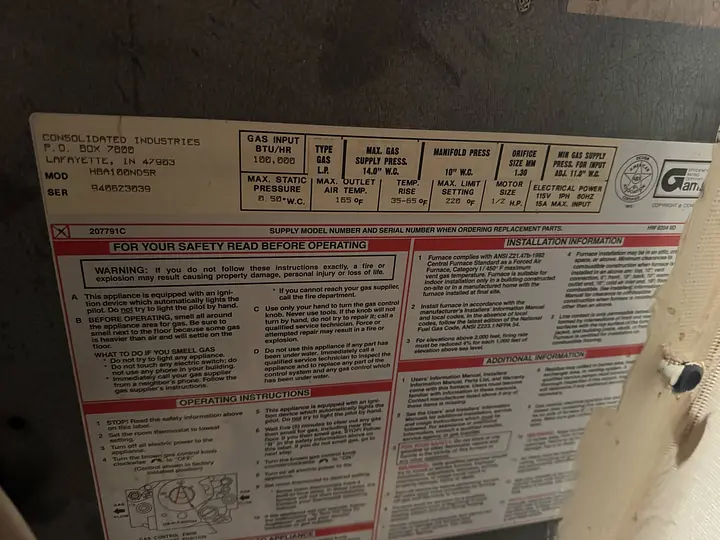
A BTU — a British thermal unit — is the amount of heat needed to raise the temperature of one pound of water by one degree Fahrenheit.
What is a BTU?
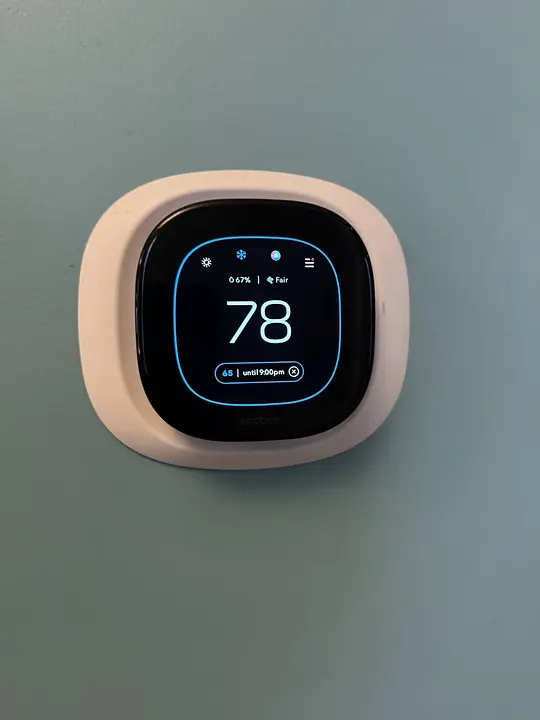
A thermostat only saves money when the heating system behind it rewards turning the temperature down, and in a region where heat pumps do much of the winter work, the wrong setback can cost more than it saves.
Is a Smart Thermostat Worth It?
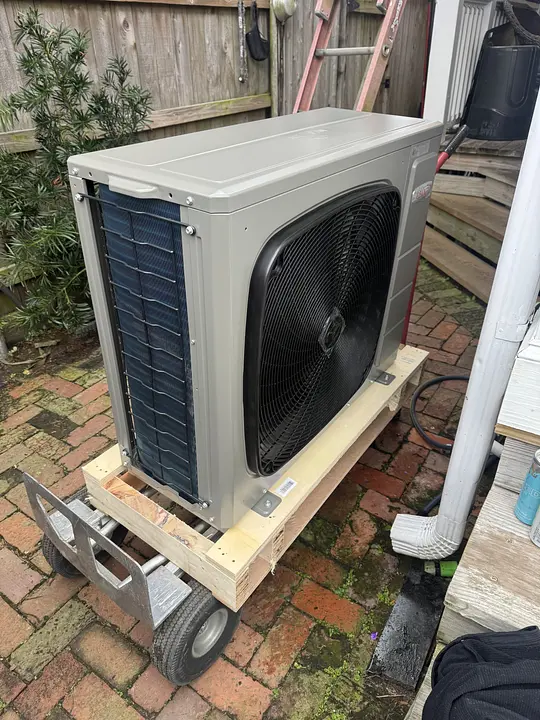
A furnace swap follows a standard professional sequence, and the homeowner's experience of it is mostly about what comes through the front door, what sits open in the equipment closet, and when the heat comes back.
When to Replace Your Furnace?
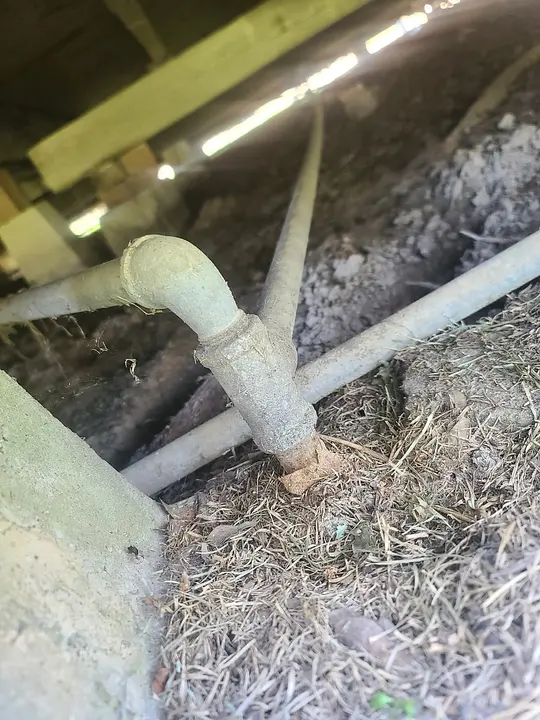
You most likely have copper, PEX, or CPVC supply pipe, and an older house may still have galvanized steel or polybutylene in some runs — often more than one material in the same house.
What Kind of Pipes Do I Have?
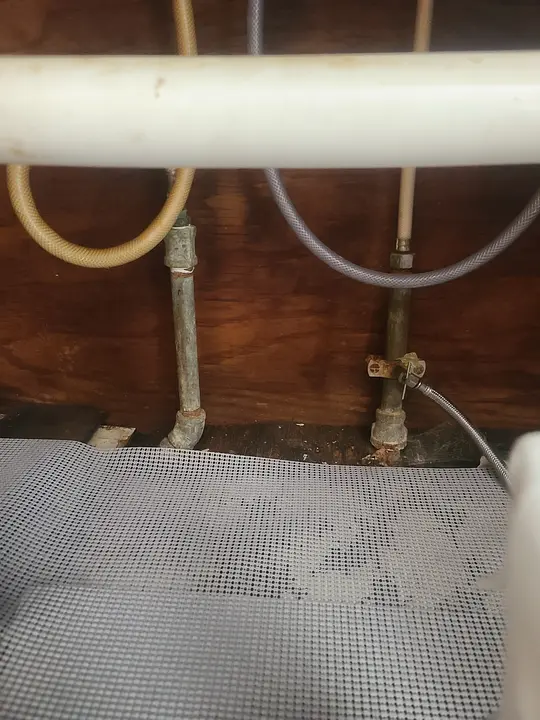
A frozen pipe is not a cold-weather curiosity down here; it is a winter failure that can put water through a ceiling before anyone knows the ice has let go.
What to Do When a Pipe Freezes?
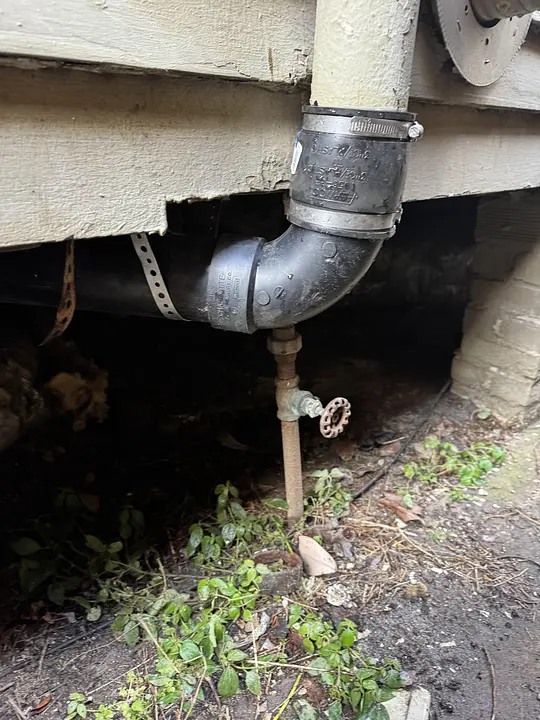
Keep pipes from freezing by disconnecting and draining the hose bibbs, insulating every accessible water line in unheated space, sealing the gaps that let wind reach those lines, adding thermostatically controlled heat cable only where insulation alone cannot protect a run, and holding the house at a steady temperature with cabinet doors open and one faucet trickling on the coldest nights.
How Do I Keep My Pipes From Freezing?
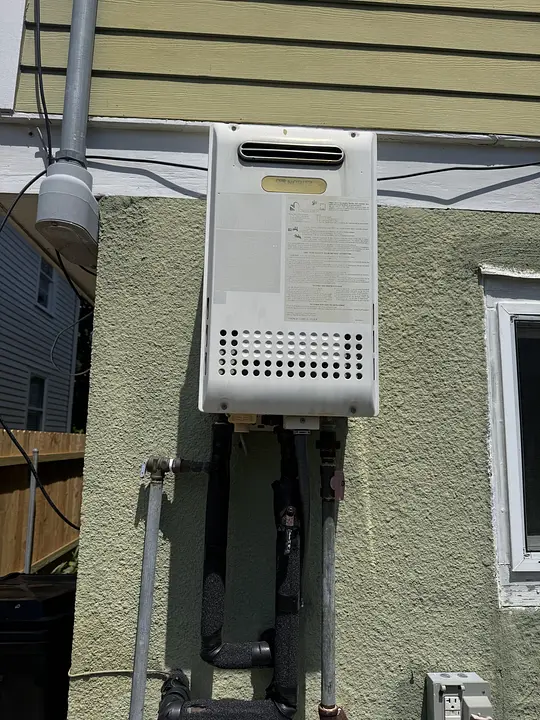
A hot water recirculation pump moves the water that has cooled in the hot line back to the water heater, through a dedicated return pipe or through the cold-water line, so a loop kept warm has hot water close to a far tap instead of running cooled water down the drain.
How Does a Hot Water Recirculation Pump Work?
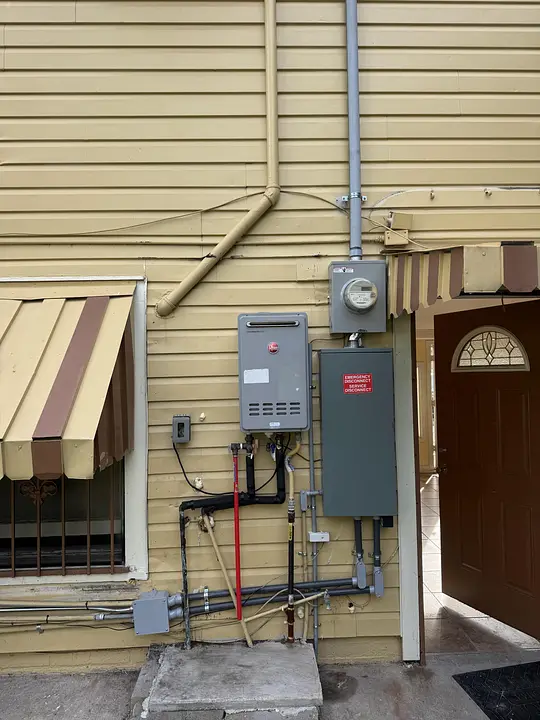
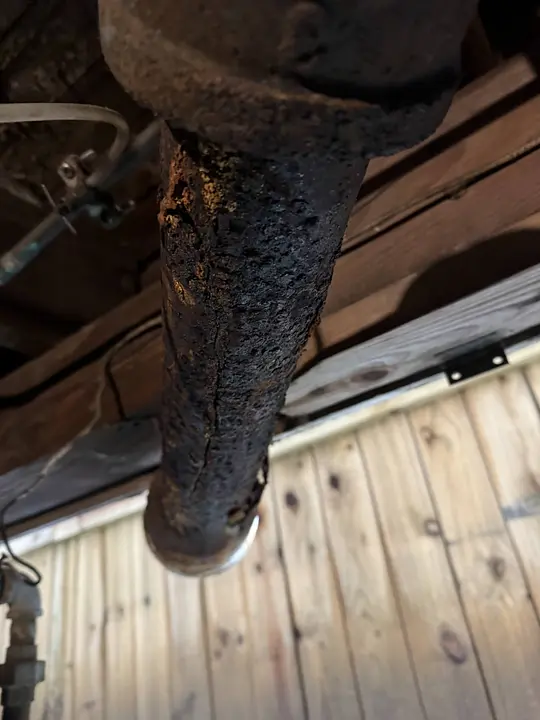
A house needs a repipe when its water supply lines — the pressurized hot and cold lines that carry water from the main shutoff to every fixture — are failing as a system rather than at one spot.
When Should I Repipe My House?
A repipe is a sequence, not a surprise: a plan, a permit, protection, openings, new lines, a pressure test, an inspection, and then the house put back together.
What to Expect During a Whole-House Repipe?
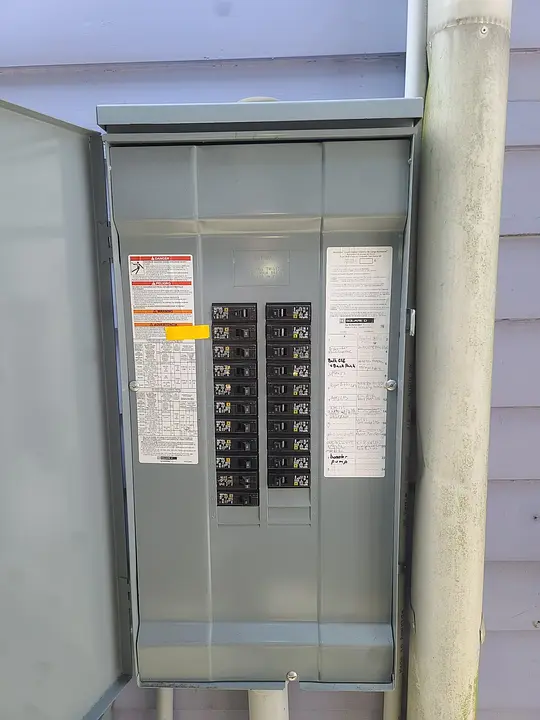
Whether a house needs a dedicated circuit comes down to the appliance in question: a dedicated circuit is one circuit for one appliance, and the appliances that need one are the ones that work the hardest: the range, the microwave, the dishwasher, the dryer, the water heater, the heating and cooling equipment, the electric vehicle charger, and the refrigerator and freezer where their instructions call for it — plus the room air conditioner, the garbage disposal, fixed electric heaters, and the hot tub, spa, or pool pump.
Do I Need a Dedicated Circuit?
Top Services
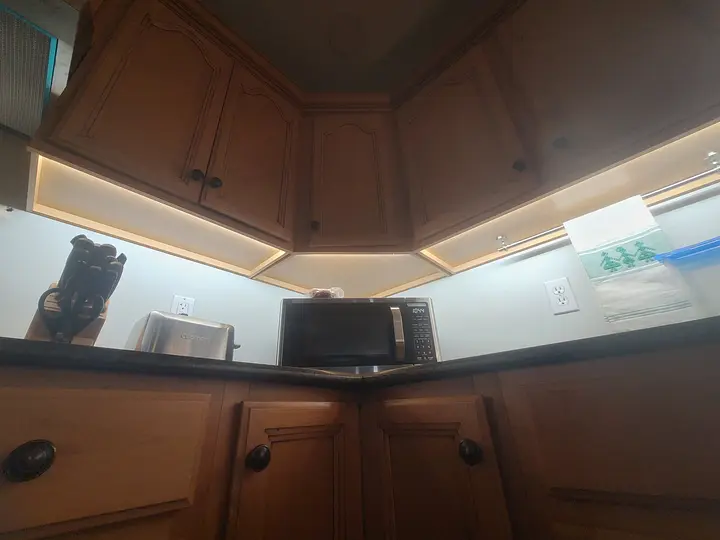
A breaker that trips only when the oven and microwave run together is reporting one thing: two heavy loads sharing one 120-volt circuit that cannot carry both at once.
Why Does My Breaker Trip When the Oven and Microwave Run Together?
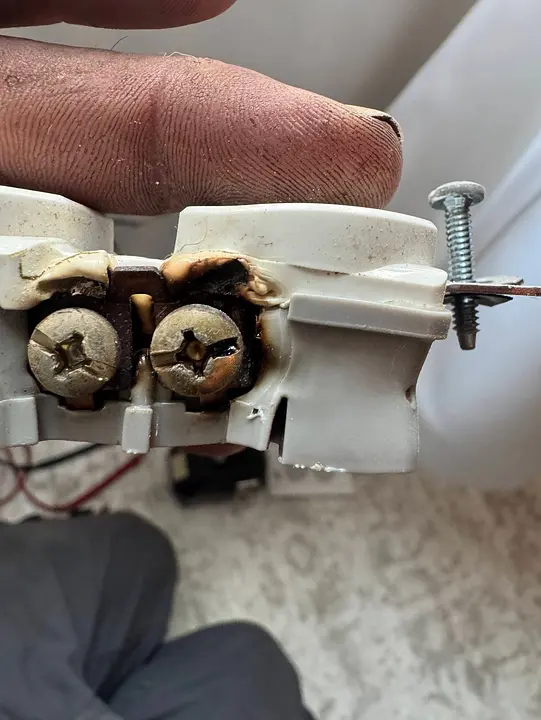
The homeowner's part is the nameplate, the manual, the panel directory, the lamp test, one careful reset, and running the fryer alone on its circuit.